How to Choose an Apparel Manufacturer: 10 Proven Steps for Smart Brands
Choosing the right production partner is one of the biggest decisions a fashion brand will ever make. Get it right, and you gain a reliable partner that grows with your business. Get it wrong, and you risk missed deadlines, inconsistent quality, and damaged customer trust. This guide walks B2B buyers through exactly how to choose an apparel manufacturer that matches their product, budget, and long-term growth plans.
Whether you’re a startup placing your first bulk order or an established brand expanding into a new category, knowing how to choose an apparel manufacturer the right way can save you months of frustration and thousands of dollars in rework.
Featured Snippet Answer: To choose an apparel manufacturer, evaluate their product category experience, MOQ and pricing structure, quality control process, compliance standards, sampling capability, communication responsiveness, and production capacity — then confirm everything through references, samples, or a factory audit before committing to bulk production.
Table of Contents
- Why Knowing How to Choose an Apparel Manufacturer Matters
- Step 1: Define Your Product and Production Needs
- Step 2: Understand Different Manufacturer Types
- Step 3: Check Product Category Experience
- Step 4: Evaluate MOQ and Pricing
- Step 5: Review the Sampling Process
- Step 6: Assess Quality Control Standards
- Step 7: Verify Compliance and Certifications
- Step 8: Confirm Lead Time and Production Capacity
- Step 9: Test Communication and Responsiveness
- Step 10: Request References or a Factory Audit
- Apparel Manufacturer Comparison Checklist
- Common Mistakes When Choosing an Apparel Manufacturer
- Expert Tips for Choosing an Apparel Manufacturer
- Frequently Asked Questions
- Conclusion
Why Knowing How to Choose an Apparel Manufacturer Matters
Every sourcing decision starts with the same question: how to choose an apparel manufacturer that can deliver consistent quality at the volume and price point your business needs. This decision affects everything downstream — your product quality, your delivery timelines, your compliance standing, and ultimately your relationship with retailers and customers.
Brands that skip proper vetting often discover problems only after placing a bulk order, when it’s too late to fix them cheaply. That’s why learning how to choose an apparel manufacturer methodically, rather than reactively, is one of the most valuable skills a sourcing manager or brand founder can develop.
Step 1: Define Your Product and Production Needs
Before you can evaluate any factory, you need clarity on what you’re actually producing. This is the foundation of how to choose an apparel manufacturer that fits your brand.
Ask yourself:
- What product categories do you need (wovens, knits, outerwear, activewear)?
- What is your expected order volume per style?
- Do you need OEM, ODM, or private label production?
- What is your target price point and margin structure?
Having clear answers to these questions makes every later step of choosing an apparel manufacturer faster and more accurate.
Step 2: Understand Different Manufacturer Types
Not all factories operate the same way, and understanding these differences is a core part of how to choose an apparel manufacturer correctly.
- OEM Manufacturers produce garments based entirely on your own design and tech pack.
- ODM Manufacturers offer existing designs that you can customize.
- Private Label Manufacturers produce from a base pattern that you brand as your own.
- Full-Package Manufacturers handle sourcing, sampling, and production end-to-end.
- CMT (Cut, Make, Trim) Manufacturers only assemble garments from fabric you supply.
Matching your business model to the right manufacturer type is a critical early decision in how to choose an apparel manufacturer that will actually meet your needs.
Step 3: Check Product Category Experience
A manufacturer that specializes in denim may not be the right fit for technical activewear. When learning how to choose an apparel manufacturer, always confirm their specific experience with your product category.
Ask for:
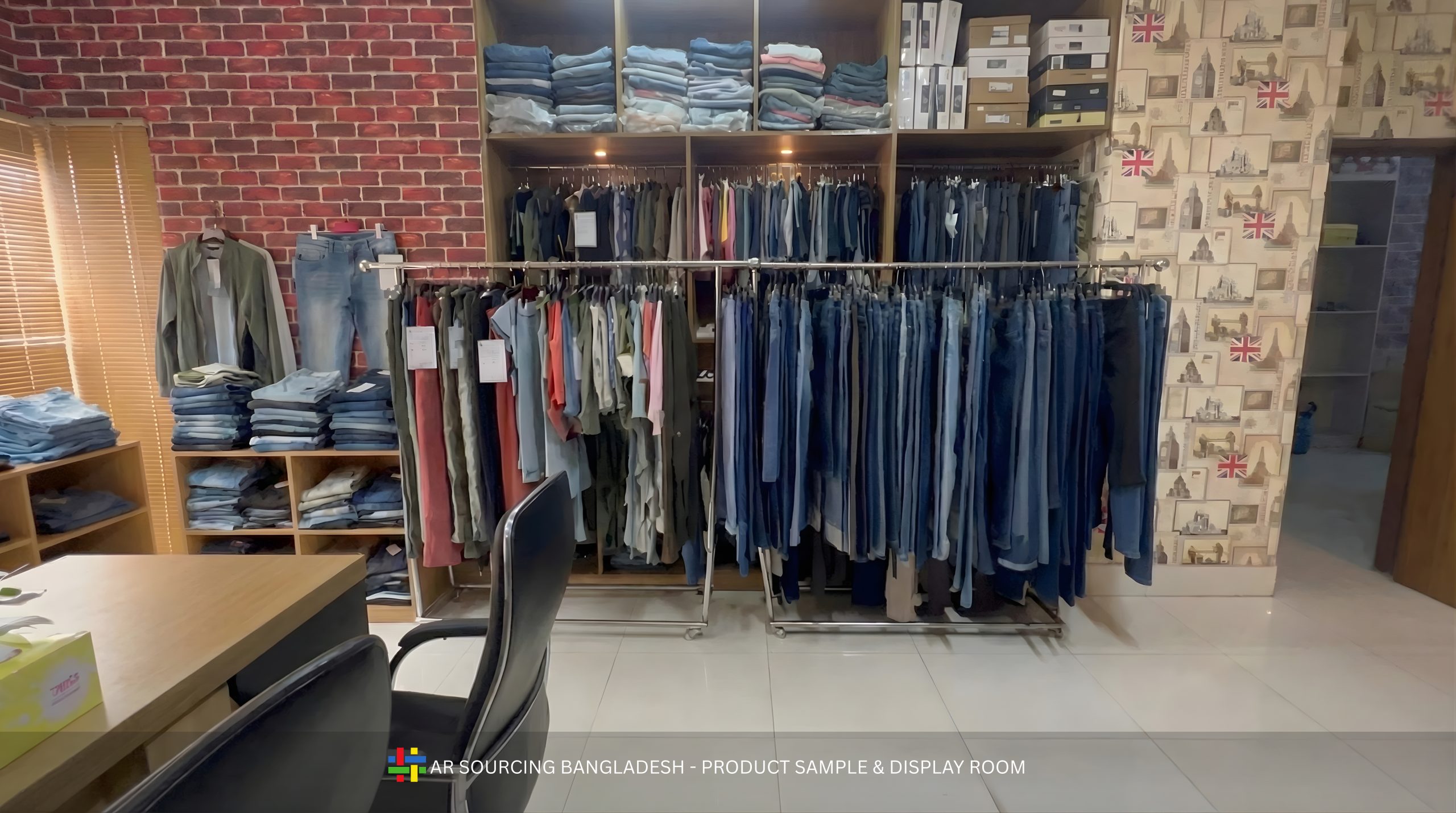
- Examples of similar products they’ve manufactured
- Fabric and construction expertise relevant to your designs
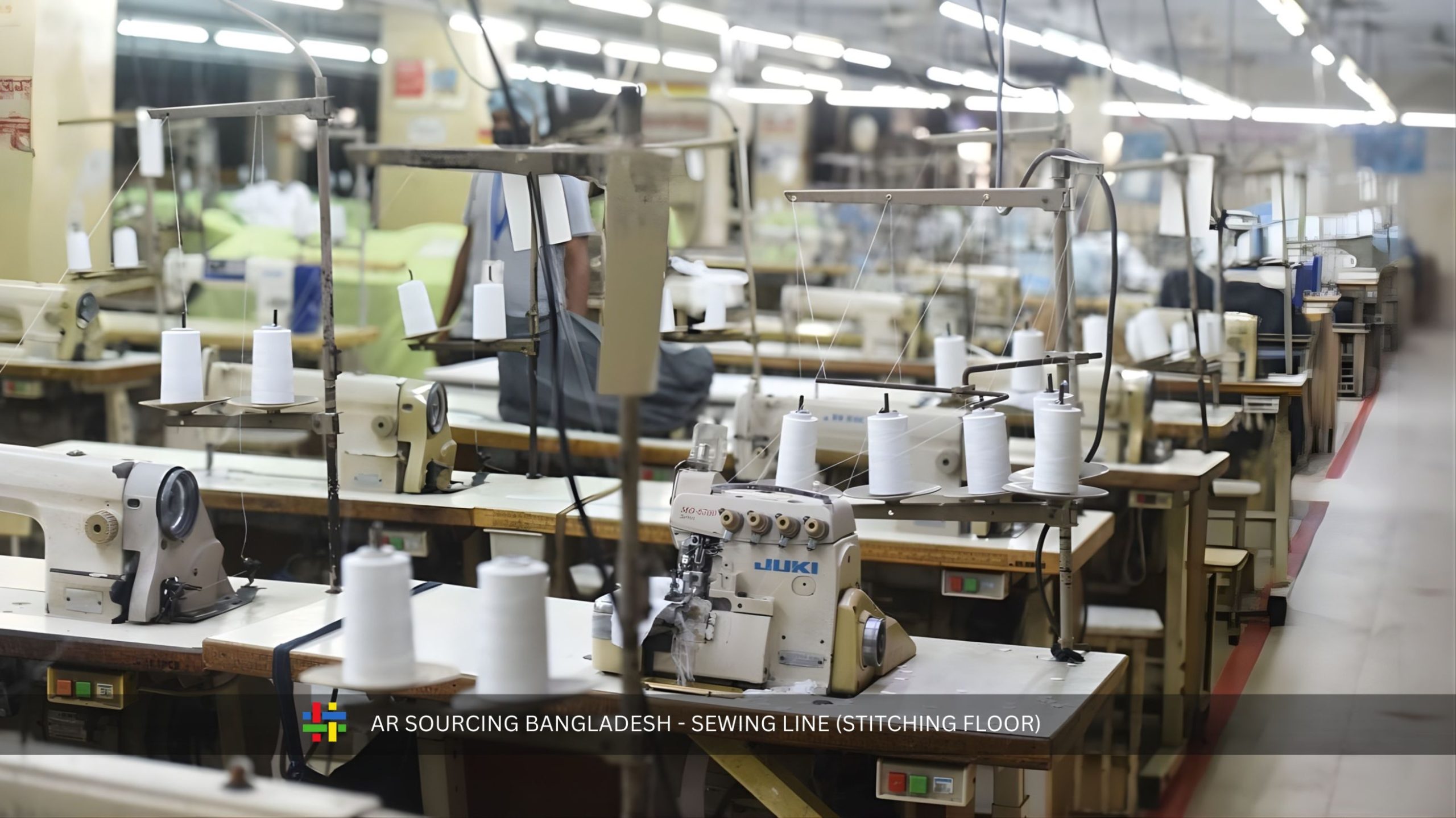
- Any specialized machinery required for your garments (e.g., bonding, laser cutting, embroidery)
This step alone eliminates many mismatched partnerships before they start.
Step 4: Evaluate MOQ and Pricing
Minimum Order Quantity (MOQ) and pricing structure are often the deciding factors in how to choose an apparel manufacturer, especially for startups and smaller brands.
Key questions to ask:
- What is the MOQ per style, color, and size?
- Is MOQ negotiable for repeat customers or combined orders?
- How does pricing change at different volume tiers?
- Are sampling costs separate from production costs?
Since MOQ and pricing vary widely between manufacturers, it’s important to get a detailed quotation based on your actual tech pack rather than relying on general estimates.
Step 5: Review the Sampling Process
Sampling quality is one of the clearest indicators of how a factory will perform in bulk production, which makes it an essential part of how to choose an apparel manufacturer.
Look for a manufacturer that offers:
- Prototype and fit samples
- Pre-production (PP) samples for final approval
- Size set samples across your full range
- Clear timelines for each sampling round
If a manufacturer is slow or unresponsive during sampling, this is often a warning sign for how they’ll perform during bulk production.
Step 6: Assess Quality Control Standards
Quality control practices are non-negotiable when deciding how to choose an apparel manufacturer for long-term partnership.
Confirm whether the factory performs:
| Inspection Stage | Purpose |
|---|---|
| Incoming Inspection | Checks raw materials before cutting begins |
| Inline Inspection | Monitors garments during production |
| Final Inspection | Reviews finished goods before packing |
| AQL Inspection | Statistical sampling to assess defect rates |
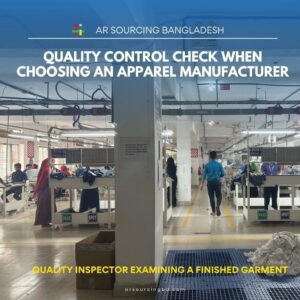
A manufacturer with structured, multi-stage quality control is far more likely to deliver consistent results across every order.
Step 7: Verify Compliance and Certifications
Compliance is an increasingly important factor in how to choose an apparel manufacturer, particularly for brands selling into regulated retail markets.
Areas to verify include:
- Social compliance and fair labor practices
- Environmental compliance and waste management
- Willingness to accommodate third-party factory audits
- Relevant certifications such as GOTS, OEKO-TEX®, WRAP, or ISO standards, where applicable to your product
Always confirm current certification status directly with the manufacturer rather than assuming based on marketing claims.
Step 8: Confirm Lead Time and Production Capacity
Lead time and capacity directly affect your ability to meet retail or e-commerce deadlines, making this a practical part of how to choose an apparel manufacturer that can scale with you.
Ask about:
- Typical production timelines for your specific product type
- Current factory capacity and existing order backlog
- Flexibility to handle seasonal spikes in demand
- How delays are communicated and managed
Since lead times vary based on product complexity, fabric availability, and order volume, always request a realistic timeline tied to your specific order rather than a generic estimate.
Step 9: Test Communication and Responsiveness
Communication quality during the sourcing stage is one of the most underrated signals in how to choose an apparel manufacturer successfully.
Watch for:
- Response time to emails and inquiries
- Clarity and detail in their answers
- Willingness to provide documentation (invoices, inspection reports, compliance certificates)
- Language and time-zone compatibility with your team
A manufacturer that communicates clearly during negotiation is far more likely to communicate well during production issues.
Step 10: Request References or a Factory Audit
The final step in how to choose an apparel manufacturer is verification. Don’t rely solely on what a factory tells you about itself.
- Ask for references from existing or past clients
- Request a third-party factory audit report if available
- Consider an in-person visit for large or long-term orders
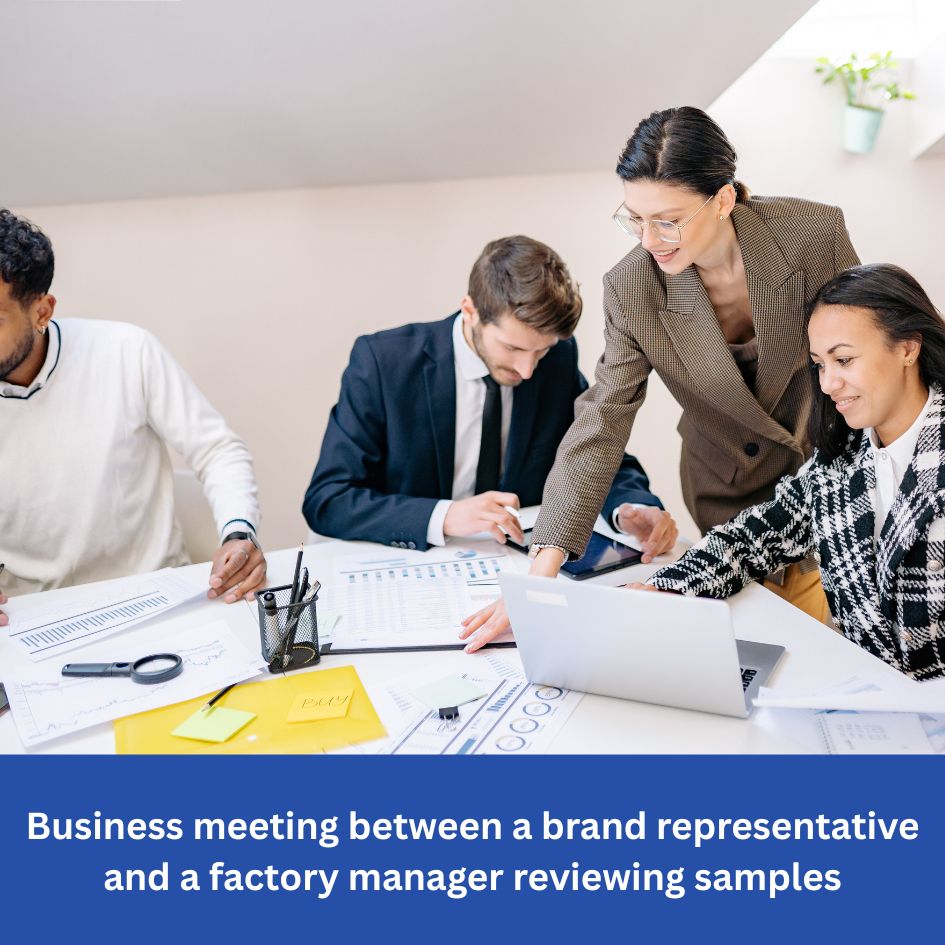
- Review any available production samples firsthand
This due diligence step protects your brand from costly surprises after bulk production has already begun.
Apparel Manufacturer Comparison Checklist
Use this checklist when comparing multiple factories to decide how to choose an apparel manufacturer that best fits your business:
- Relevant product category experience
- Transparent MOQ and pricing structure
- Clear sampling process and timelines
- Documented quality control procedures
- Verified compliance and certifications
- Realistic lead time estimates
- Responsive, clear communication
- Available references or audit reports
- Scalable production capacity
- Willingness to support long-term partnership
Common Mistakes When Choosing an Apparel Manufacturer
Even experienced buyers make avoidable errors when figuring out how to choose an apparel manufacturer. Common mistakes include:
- Choosing based on price alone, without evaluating quality or compliance
- Skipping sample approval to save time
- Failing to clarify MOQ and pricing tiers upfront
- Not verifying compliance certifications before production
- Ignoring communication red flags during early conversations
- Underestimating realistic lead times
- Committing to a large order without a factory audit or references
Avoiding these mistakes is often the difference between a one-time vendor and a long-term manufacturing partner.
Expert Tips for Choosing an Apparel Manufacturer
- Always request a detailed, itemized quotation tied to your specific tech pack.
- Start with a smaller trial order before committing to large bulk quantities.
- Keep a shipment sample on file for every order as a quality benchmark.
- Build a relationship over multiple seasons rather than switching factories frequently.
- Diversify your supplier base for critical product categories to reduce risk.
Applying these tips consistently makes the process of how to choose an apparel manufacturer far more predictable and less stressful.
Frequently Asked Questions
1. How to choose an apparel manufacturer for a small startup? Focus on manufacturers with flexible MOQs, transparent pricing, and strong sampling support, since startups typically need lower order volumes and closer guidance during early production.
2. What is the first step in how to choose an apparel manufacturer? Clearly define your product category, target volume, and production model (OEM, ODM, or private label) before evaluating potential factories.
3. How important is MOQ when choosing an apparel manufacturer? Very important — MOQ directly affects your upfront investment and should align with your current order volume and cash flow.
4. Should I visit the factory before choosing an apparel manufacturer? An in-person visit or third-party audit is strongly recommended for large or long-term orders, though not always required for smaller trial orders.
5. How can I verify a manufacturer’s quality control process? Ask for details on their incoming, inline, final, and AQL inspection procedures, and request inspection reports from past orders if available.
6. What compliance certifications should I look for in an apparel manufacturer? Certifications like GOTS, OEKO-TEX®, WRAP, or ISO standards are common examples, but relevance depends on your product and target market.
7. How do I know if an apparel manufacturer’s pricing is fair? Compare detailed quotations from multiple manufacturers based on the same tech pack and order volume to identify fair market pricing.
8. What red flags suggest I should avoid an apparel manufacturer? Slow communication, vague answers about compliance, reluctance to provide references, and inconsistent sample quality are all warning signs.
9. Can I negotiate MOQ with an apparel manufacturer? Yes, many manufacturers offer flexibility for repeat customers, combined color or size orders, or long-term commitments.
10. How long does it take to choose an apparel manufacturer? The timeline varies, but thorough vetting — including sampling and reference checks — typically takes several weeks before committing to bulk production.
11. Is it better to work with a local or overseas apparel manufacturer? Each option has trade-offs in cost, lead time, and communication ease, so the right choice depends on your budget, timeline, and product complexity.
12. What questions should I ask before choosing an apparel manufacturer? Ask about MOQ, pricing tiers, sampling process, quality control stages, compliance certifications, and typical lead times for your product type.
Conclusion
Learning how to choose an apparel manufacturer is a process, not a single decision. It requires defining your product needs, evaluating MOQ and pricing, reviewing sampling quality, confirming compliance, and verifying everything through references or a factory audit. Brands that follow this structured approach consistently build stronger, more reliable production partnerships that support long-term growth.
Taking the time to vet a manufacturer properly today can save significant cost, time, and stress across every future production cycle.
Ready to Find the Right Manufacturing Partner?
If you’re still working through how to choose an apparel manufacturer for your next collection, our team can help. We offer OEM manufacturing, private label production, sampling, and full-package apparel sourcing tailored to your brand’s specifications.
Contact us today to discuss your product requirements and get a detailed quotation from an experienced manufacturing partner.